Becoming a dentist in the US as an internationally trained dentist usually means completing a CODA-accredited program at a US dental school, which makes you eligible to take the licensure examinations. Many foreign-trained dentists do this through advanced standing programs – condensed versions of the traditional DDS/DMD program that typically last two to three years.
With a US DDS or DMD, you can pursue licensure in the state where you want to practice. Below is our step-by-step guide to becoming a dentist in the US, from early research to your first license.
Table of Contents
The Process of Becoming a Dentist in the US for International Applicants
The path to a US license as a general dentist involves the following steps.
Step 1: Research DDS/DMD Programs and Their Requirements
The first step is research. Before you start on formalities such as credential evaluations or the board exam, study the admission criteria for advanced standing programs, their duration, cost, and financing options. You can browse accredited programs in the CODA program directory.
These programs are rigorous and highly competitive, since many international dentists apply each year. Weigh the pros and cons, your chances of success, and the time commitment before you begin.
Step 2: Get Your Foreign Education Evaluated
A credential evaluation compares the degrees you earned abroad with their US equivalents. Schools that participate in ADEA CAAPID use credential evaluations as part of the admission process, and a course-by-course evaluation from ECE is commonly required for INBDE eligibility.
World Education Services (WES) is another evaluation service. Requirements differ between programs and testing agencies, so confirm which evaluation each one accepts before you order a report.

Step 3: Start Studying for the INBDE
The Integrated National Board Dental Examination (INBDE) has replaced the former NBDE Part I and Part II. It integrates the basic sciences with clinical knowledge and case-based problem solving, so it requires in-depth study of all dental subjects.
The INBDE is scored as pass/fail. Prepare thoroughly and sit for it only when you’re ready. Passing it is an important milestone on the road to becoming a dentist in the US.
Step 4: Obtain Your DENTPIN
The Dental Personal Identifier Number (DENTPIN) is a unique identifier for applicants and students in the US dental education system and its standardized testing programs. You’ll need it to register for the INBDE and to apply to programs, and you can create it through the ADA.
Step 5: Apply for, Register, and Schedule the INBDE
Next, apply to take the INBDE through the Joint Commission on National Dental Examinations (JCNDE), which administers the exam. Your DENTPIN is required to register and choose a date. Many candidates schedule well in advance so they have enough time to prepare.
Step 6: Take the INBDE at a Prometric Test Center
The INBDE is a two-day examination delivered at Prometric test centers. The first day is a full day of testing, and the second is a shorter half day. Check the JCNDE candidate guide for current test locations, format, and rules before you book.

Step 7: Take the TOEFL
Most programs require proof of English proficiency, usually through the Test of English as a Foreign Language (TOEFL). The TOEFL iBT is scored out of 120.
Minimum scores vary from school to school, so check each program’s website. Our guide on how to score high on your TOEFL can help you prepare.
Step 8: Apply to DDS/DMD Programs Through ADEA CAAPID
Step 8 is completing the Centralized Application for Advanced Placement for International Dentists (CAAPID). Each school sets its own deadlines and requirements, so check the official ADEA CAAPID website for the current cycle dates.
A few schools aren’t on CAAPID and require a direct application. However, most universities with international dental programs accept applications through CAAPID.
The application is detailed. It includes letters of recommendation, work experience, achievements, awards, and more. Your personal statement (often called a Statement of Purpose) is one of the most important parts because it shows the admissions committee who you are. Give this step the time and care it deserves.
Related articles:
Step 9: Wait for Interview Invitations
Once you’ve applied, watch for interview invitations. Some candidates receive none, while others receive several. It depends on your overall application, including your academic record, test results, and experience.
While you wait, keep working on your English and presentation skills. Staying confident and positive makes a real difference.
Step 10: Prepare for the Bench Test
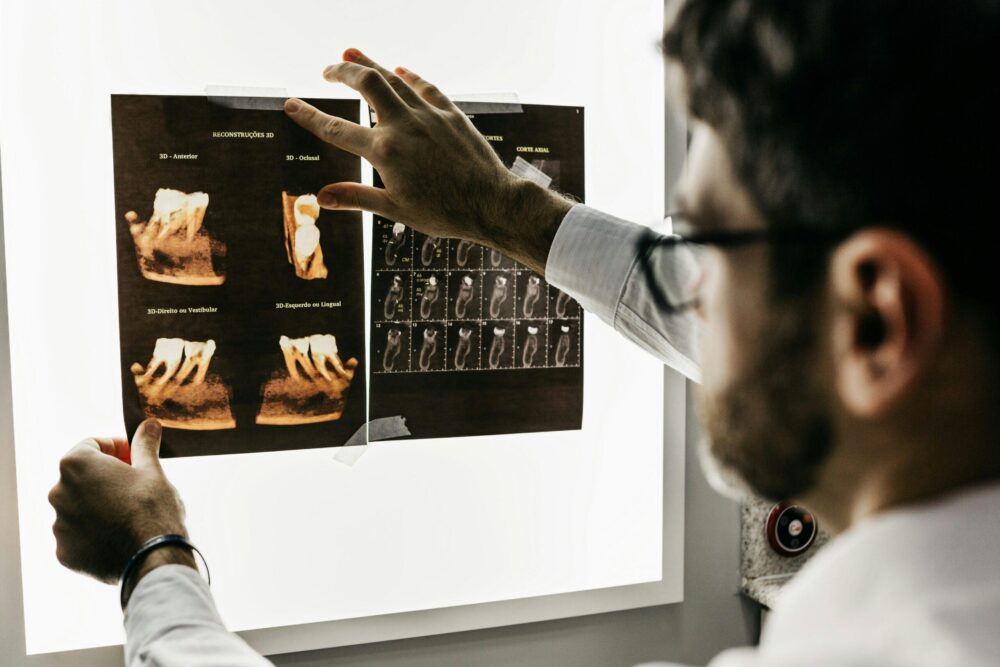
Many dental schools test international candidates’ hand skills in addition to interviews and written exams. Bench test preparation is essential and takes a lot of effort.
Start early, either with a course or by practicing at home on a mounted typodont. Consistent practice and correct technique are key to passing the hand skills exam, an important step toward becoming a dentist in the US.
Related articles:
- Bench Test Mastery Prep Course
- Creating the Perfect Starter Bench Test Kit
- Preparing for Your Bench Test
Step 11: Ace the Interview and Hands-On Clinical Test
To earn a place in a program, you need to perform well in the interview. On interview and bench test day, aim to be confident and well-spoken rather than anxious, and answer questions concisely. If your interview is virtual, test your setup in advance.
Related articles:
Step 12: Wait for Your Acceptance
This is when your hard work pays off. Being admitted to a DDS/DMD program is an incredible feeling.
Step 13: Arrange Financing and Complete Background Checks
The paperwork doesn’t end with the acceptance letter. Once admitted, you’ll handle financing, loans or payment plans, and background checks.
Step 14: Apply for a Student Visa if You’re Not a Citizen or Green Card Holder
US citizens and eligible noncitizens, such as green card holders, have advantages over other international dentists. They don’t need a student visa and may qualify for federal student aid through the FAFSA. Everyone else will need to apply for the appropriate student visa.
Step 15: Graduate and Get Licensed
After you finish your DDS/DMD, you must meet the licensure requirements of the state where you want to practice before you can treat patients. These requirements vary from state to state.
Once licensed, you can work as an associate, open your own practice, teach at a dental school, and more.
Related articles:
- How to Find Licensure Requirements for Each State
- Which States You Can Practice in After a Residency Program

Conclusion: Is Becoming a Dentist in the US Worth It?
Becoming a dentist in the US is a long, demanding process, but for many internationally trained dentists the rewards at the end of an advanced standing program are worth the effort. Take it one step at a time, verify every requirement with official sources, and get support when you need it.