If you trained as a dentist outside the United States or Canada, the dental bench test is often the first hands-on hurdle you meet on the road to practicing in North America. It is also one of the most misunderstood. Good dental bench test prep starts with understanding what the test really is.
Many candidates (and more than a few forum posts) describe it as a licensing exam you take to earn a US dental license. It is not. The bench test is an admissions assessment: a practical evaluation used by advanced standing and International Dentist Programs (IDPs) to decide which applicants to admit through CAAPID. So the real question is not “how do I pass the bench test to get licensed,” but “how do I prepare well enough to earn a seat in a CODA-accredited program?” This guide answers that question step by step.
Table of Contents
What the Dental Bench Test Actually Is
Advanced standing programs compress the last two years of a DDS/DMD into roughly 24 to 30 months. Because those cohorts start working on patients early, admissions committees need evidence that you can hold a handpiece, control tooth reduction and finish a preparation to an acceptable standard before they hand you a patient. The bench test is that evidence.
The correct sequence for an internationally trained dentist is:
- International dental degree
- CAAPID application to advanced standing / IDP programs
- Admissions process, which may include a bench test, Kira assessment and interviews
- Graduate from a CODA-accredited DDS/DMD program
- Standard board exams and state/provincial licensure
Licensure comes after the accredited program, never from the bench test itself. There is no state board pathway where an international dentist takes a bench test and receives a license in exchange. Keeping that framing straight will also keep you from asking schools the wrong questions — and committees notice.
Why Programs Use a Bench Test at All
The bench test exists because grades and transcripts from a foreign curriculum are hard to compare. A number from a grading system the committee does not know tells them little about your actual clinical dexterity. A prepared typodont tooth tells them nearly everything.
What they are looking for is usually less exotic than candidates assume:
- Psychomotor control — can you reduce a tooth predictably without nicking adjacent teeth?
- Indirect vision — can you prepare a tooth on the far side of a phantom head while looking in a mirror?
- Rubric discipline — do you meet the stated criteria (margins, taper, reduction, finish) instead of producing a pretty but non-compliant prep?
- Time and stress management — can you finish under a clock without losing standards?
Formats vary widely between schools. Some run a proctored, all-day typodont session on site. Others ask for a video submission, a filmed preparation in a live virtual session, or a shorter multiple-station exercise. Some schools have no bench test at all. This is why generic advice found online is often useless: the assessment is program-specific.
What Skills Are Typically Assessed
Across the schools that do test, the same tasks show up repeatedly:
- Full-coverage crown preparation, most often on a premolar or molar for a metal-ceramic or all-ceramic crown
- Class II amalgam or composite preparation, including proximal boxes and margin placement
- Cavosurface margin accuracy and finishing on extracted or typodont teeth
- Wax-up and carving, where contour and anatomy are graded
- Basic operative skills such as isolation, matrix application and impressions
- Occasionally suturing or simple dentoalveolar procedures
You can usually predict the list closely by reading each program’s published bench test instructions and the kit list they send admitted candidates. Use one preparation per task type and drill it until it is repeatable, not merely accomplished once.
Step 1: Pin Down What Your Target Programs Require
Before you spend money on dental bench test prep or buy a single bur, build a shortlist of eight to twelve advanced standing programs and read their bench test sections carefully. Note the format (in-person versus virtual video), the tasks, the time limit, whether you need to supply your own instruments, and the deadline relative to the CAAPID cycle. Two weeks of accurate research will save you months of practicing the wrong thing.
Step 2: Build a 6- to 8-Week Dental Bench Test Prep Plan
Most candidates need six to eight weeks of deliberate practice, not a single weekend of cramming. A workable structure looks like this:
Weeks 1–2: Fundamentals
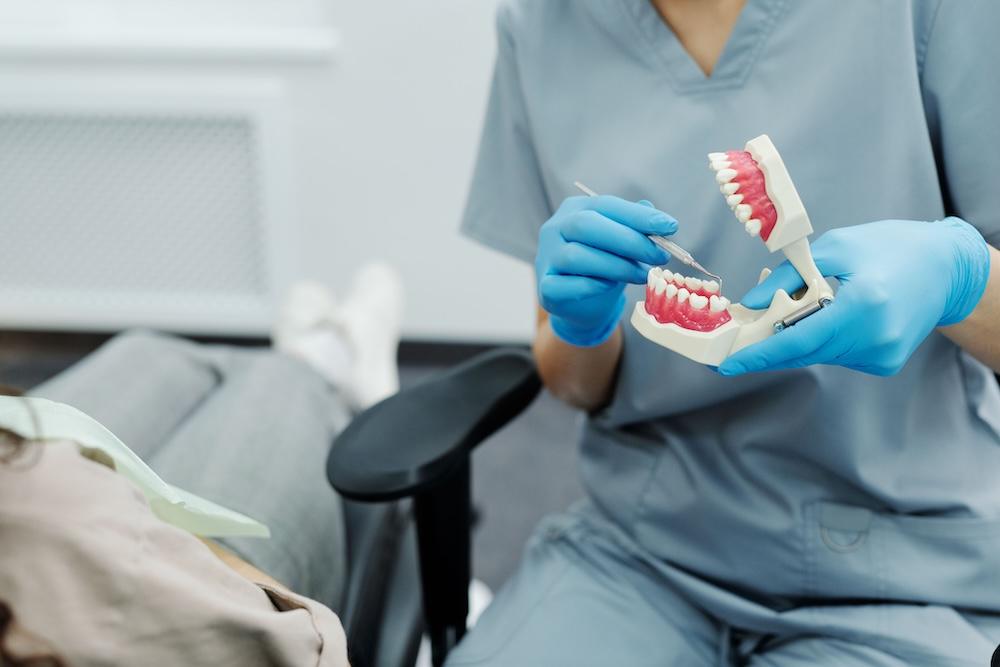
Work slowly. Establish depth cuts, occlusal reduction, axial reduction, margin placement and taper on typodont teeth, and learn your bur inventory by name and cutting behaviour. Aim for one correct preparation per session rather than six mediocre ones. This is also the stage to fix ergonomics: correct posture, correct indirect-vision habit, correct finger rests.
Weeks 3–4: Full Simulations
Recreate the conditions of the exam. One task, one typodont, one clock, no restarting. Photograph every preparation from the same angles each time and keep a simple log with date, task and self grade. Most candidates who plateau are not lacking skill — they are lacking records to compare against.
Weeks 5–6: Time Pressure
Reduce the clock by 20 percent. Learn where the clock actually disappears: changing burs too late, over-smoothing the first surface, and re-checking with a mirror when direct vision would do. Time pressure is a separate skill from preparation quality and must be trained separately.
Weeks 7–8: Feedback and Sharpen
Get your work graded by someone who knows the admissions rubrics — a faculty member, a dental technician, or an experienced coach — and spend the final two weeks fixing only the deficiencies they name. Trim everything else and simulate the real exam day at least twice, including setup and cleanup.
Step 3: Set Up a Realistic Practice Station
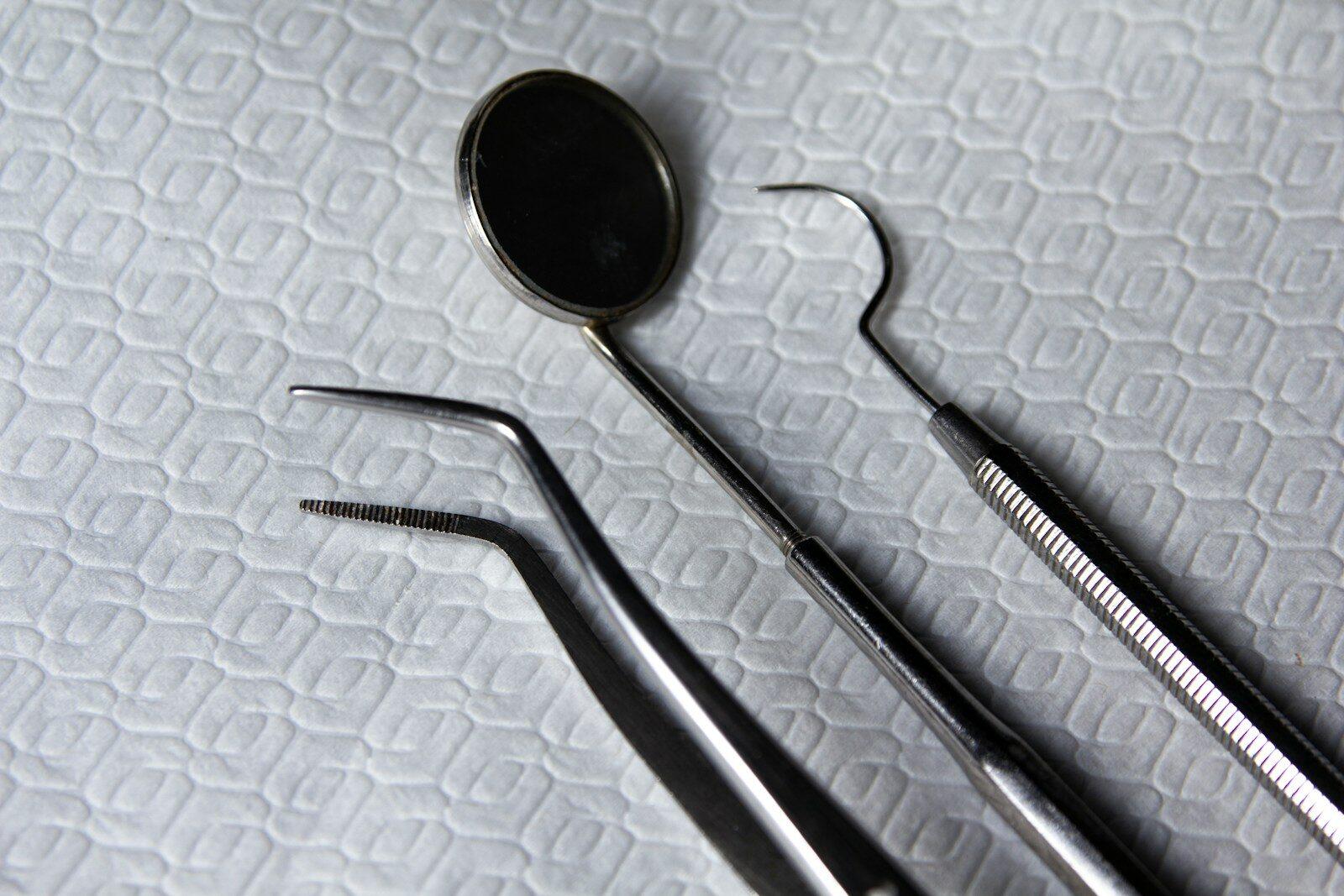
You do not need a full simulation lab, but you do need the right constraints: a typodont with replaceable teeth, a handpiece that matches the school’s expectations, a reasonable bur kit, loupes if the program allows them, a mirror for indirect vision, a timer and a phone camera on a fixed mount. Practicing at a comfortable angle with direct vision only builds habits that fail under exam conditions.
Step 4: Get Feedback You Cannot Give Yourself
Self-assessment is the bottleneck for nearly everyone. You can see that a margin is not smooth; you cannot easily see that your taper is 12 degrees, that proximal clearance is inconsistent, or that your occlusal reduction is uneven by half a millimetre. This is the one part of bench test preparation that a determined candidate cannot fully solve alone, and it is where structured coaching pays for itself. You can also send your work for free bench test prep feedback from IDC.
Common Mistakes That Cost Candidates Points
- Preparing a beautiful tooth that ignores the rubric’s stated dimensions
- Practicing only in direct vision, then meeting a phantom head for the first time on exam day
- Never rehearsing with a clock, then panicking in the last twenty minutes
- Skipping indirect vision and mirror work because it is uncomfortable
- Arriving with the wrong instruments or an incomplete kit, wasting early exam minutes
- Treating the bench test as a licensure step, and therefore under-preparing the rest of the admissions file (Kira assessment, interview, letters)
- Starting dental bench test prep only in the weeks before the exam, instead of months before the CAAPID submission deadline
Conclusion: Treat Dental Bench Test Prep as an Admissions Problem to Solve
The dental bench test rewards repetition, honest measurement and external feedback — not raw talent. Decide which programs you are targeting, learn their exact format, give yourself eight weeks of progressively harder practice, and get your preparations graded by someone qualified to grade them. Do that, and you arrive at the test with a calm, rehearsed routine instead of hope. If you would like structured help, International Dentist Central runs coaching and a dedicated bench test preparation course built around the rubrics advanced standing programs actually use, with feedback from dentists who have coached international graduates through CAAPID admissions.
Is the dental bench test a licensure exam?
No. The dental bench test is an admissions assessment. Advanced standing and International Dentist Programs use it, often as part of the CAAPID admissions process, to judge an applicant’s clinical dexterity before admitting them. Licensure in the US or Canada still requires graduating from a CODA-accredited DDS/DMD program and passing the standard board examinations.
How long should I prepare for the dental bench test?
Most international dentists need six to eight weeks of deliberate, structured practice, averaging eight to twelve hours per week. Candidates who have not touched a typodont in years, or who are preparing for several schools with different formats, often benefit from ten to twelve weeks.
Do all advanced standing programs require a bench test?
No. Requirements vary by school. Some require a proctored on-site typodont exam, some accept a filmed video submission or a virtual live assessment, and some do not use a bench test at all. Always confirm the format, tasks and time limits directly with each program you apply to through CAAPID.
What should be in a dental bench test prep kit?
A typodont with replaceable teeth, a handpiece compatible with the school’s expectations, a suitable bur kit, a mirror for indirect vision practice, loupes if permitted, a timer and a fixed camera mount for recording your preparations. Programs that run an on-site test usually send a specific instrument list, so buy to that list rather than guessing.
If you want structure and feedback while you practice, the Loma Linda Bench Test Cohort gives you a guided prep group with live support. And before your next practice prep, grab our free guide to the Top 5 Most Common Bench Test Mistakes — it pairs well with the IDC Guide Book if you want a single place to start.